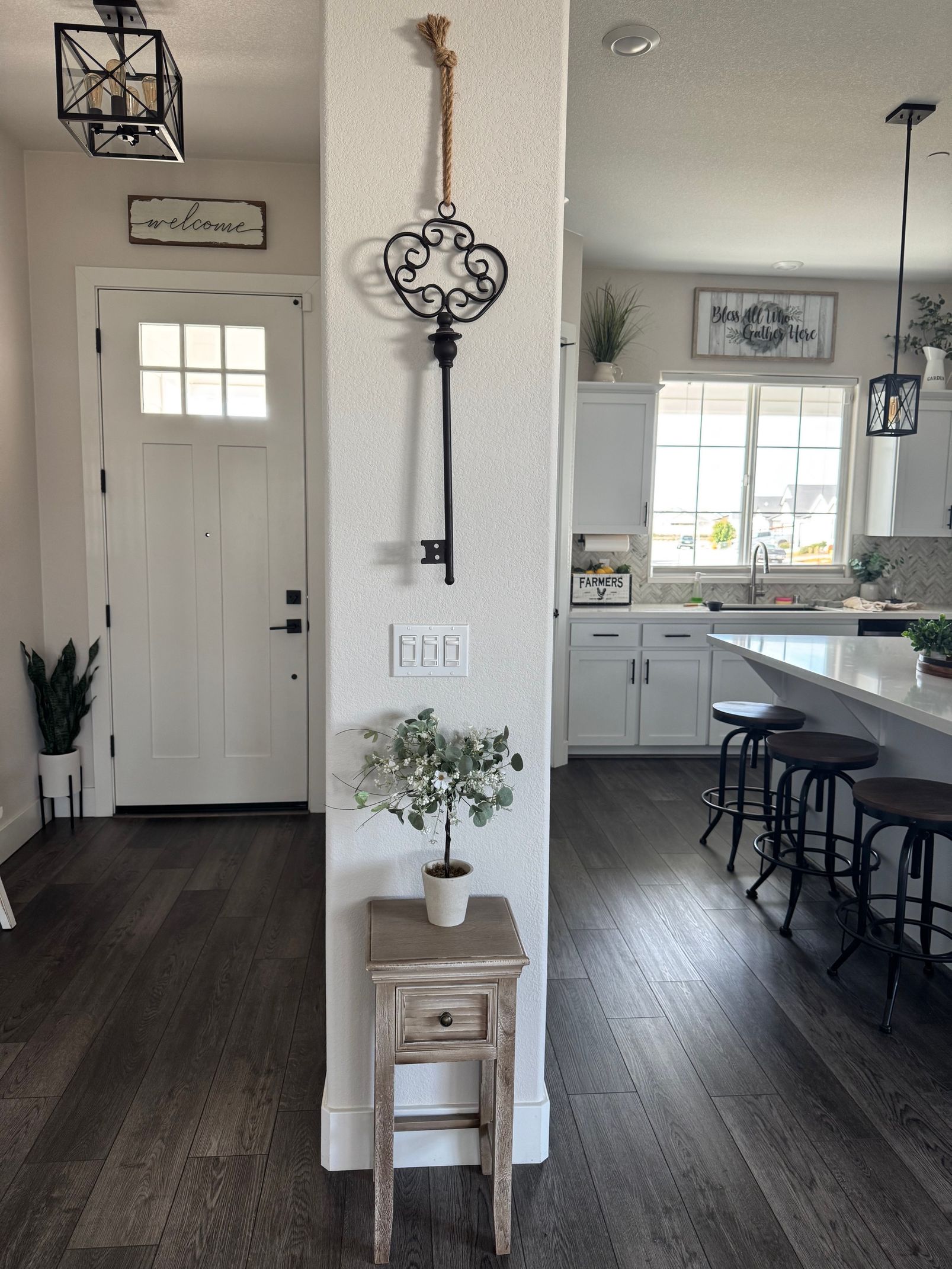
Why Scale Matters When It Comes to Decor
Why Scale Matters When It Comes to Decor
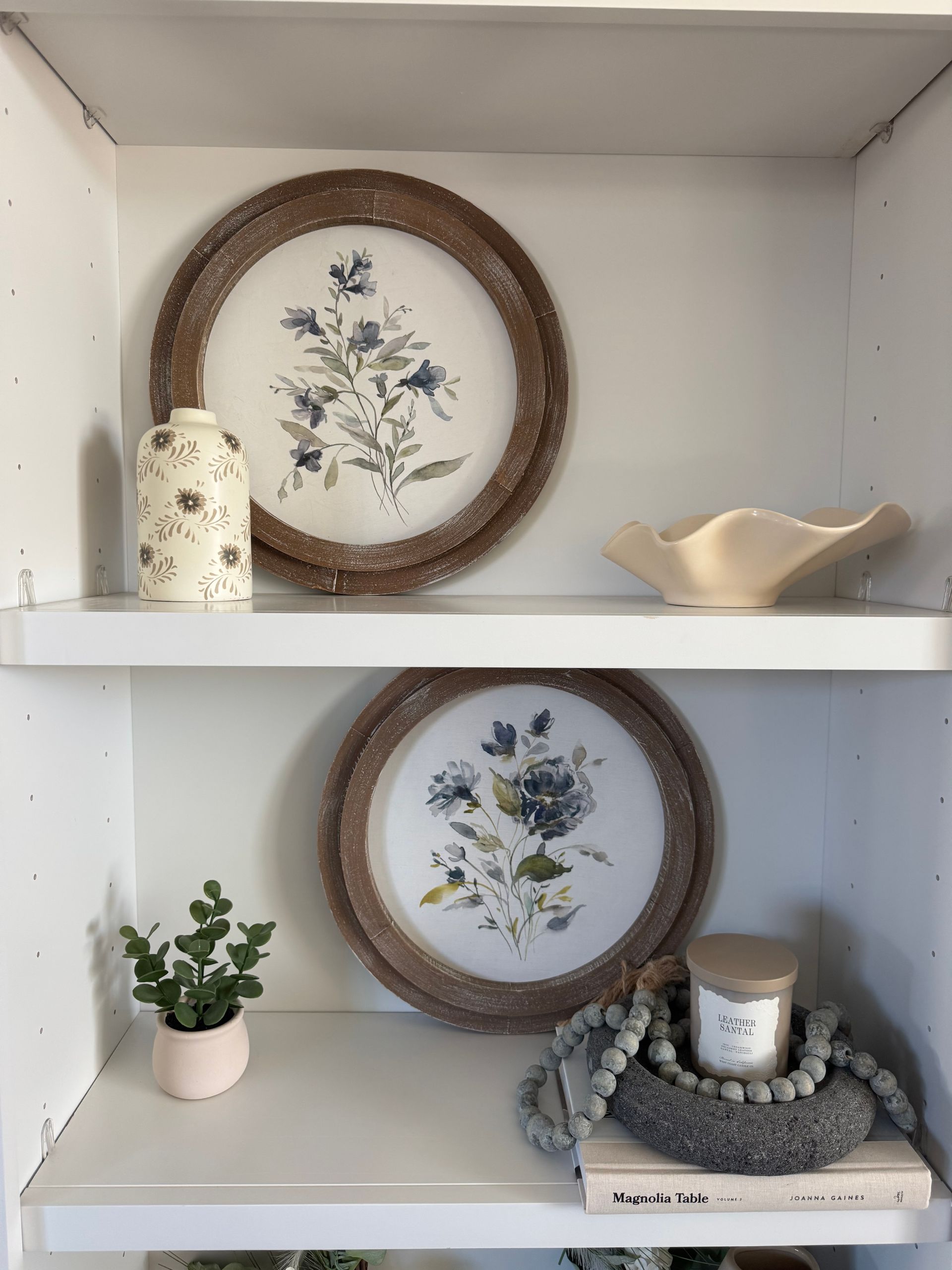
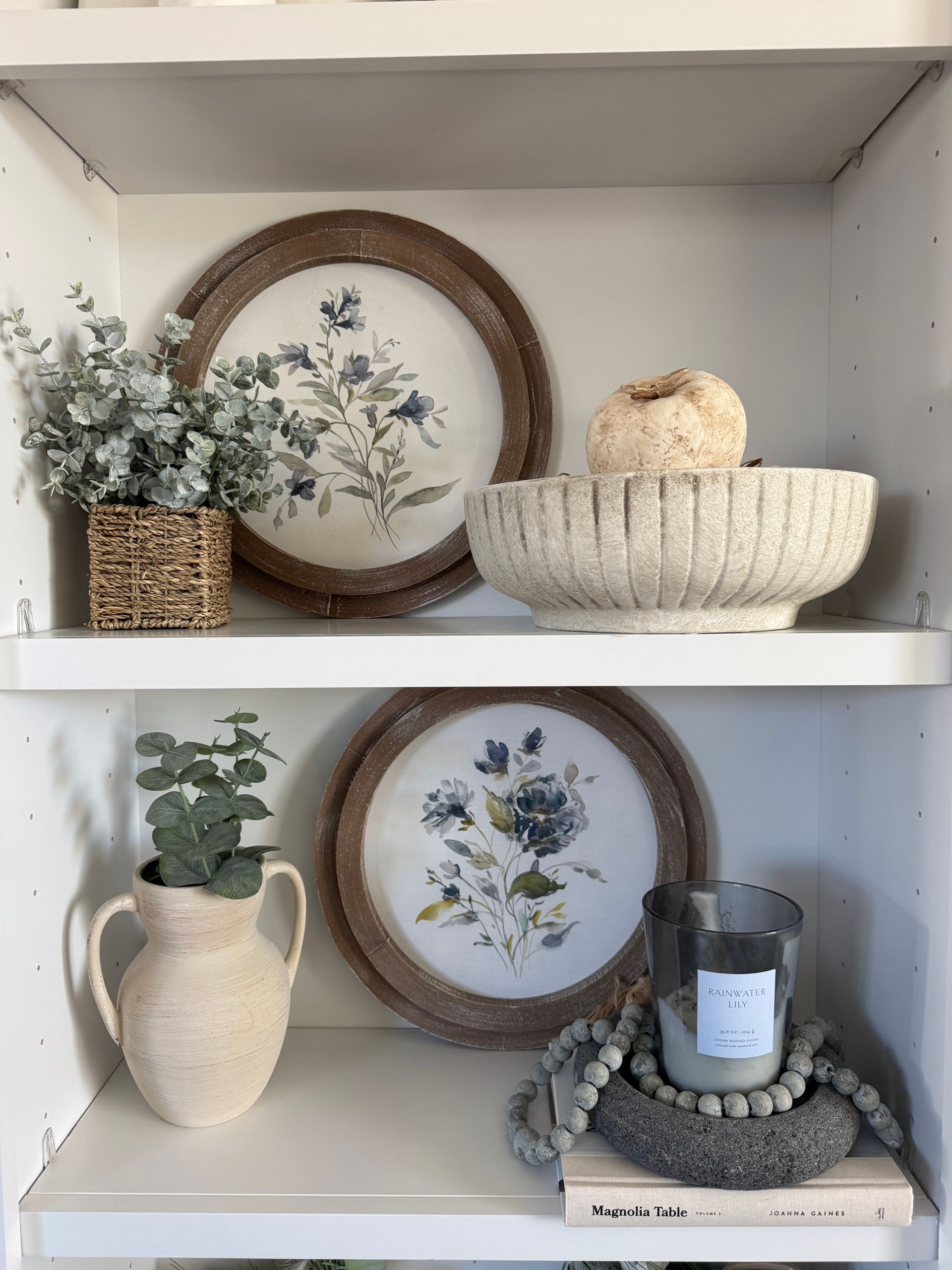
The scale of your decor pieces is one of the most underrated design principles — and one of the most transformative. When the size of your objects aligns with the size of your home, your shelves, and the visual weight of the surrounding architecture, everything feels more intentional, more elevated, and more harmonious. When scale is off, even beautiful pieces can look cluttered, lost, or simply “not quite right.”
Here’s a deep dive into why scale matters, the common misconceptions that lead people astray, and how choosing the right-sized pieces can completely shift the feel of your space.
Why Scale Matters More Than Most People Realize
Scale is all about proportion. A large room with tall ceilings needs décor with presence. A small shelf needs pieces that feel balanced and grounded. When scale is right, your eye moves comfortably across a space. When it’s wrong, your eye gets stuck, distracted, or overwhelmed.
Think of scale as the difference between a whisper and a confident statement. Small pieces can feel timid in a large space, while oversized pieces can feel bold and grounding. The magic happens when the size of your decor matches the “visual volume” of the area you’re styling.
The Biggest Misconception: Thinking You Need More Instead of Bigger
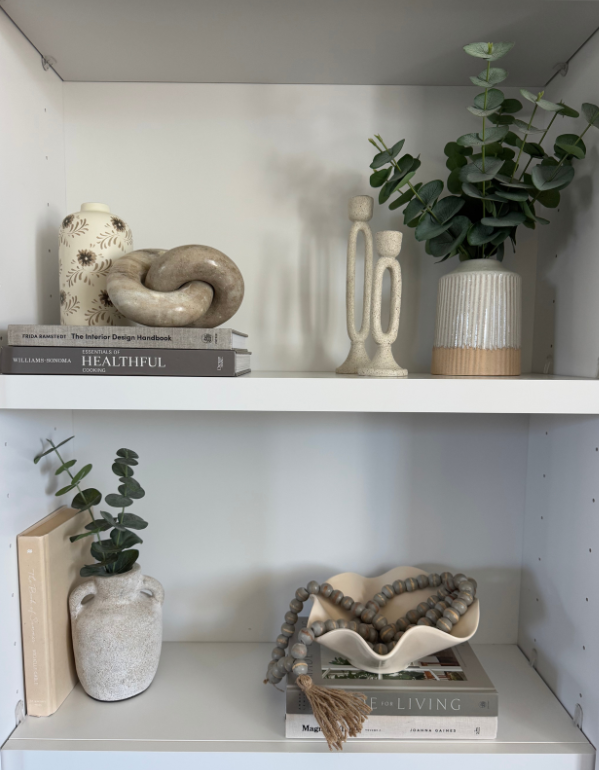
One of the most common mistakes I see, especially with shelves, is the assumption that you need more items to fill the space. More books, more trinkets, more tiny objects. But “more” often leads to clutter, not cohesion.
The truth is this: Most shelves don’t need more things. They need larger, more substantial pieces.
Small objects get lost. They create visual noise. They force you to keep adding and adding until the shelf feels full, but not intentional.
Larger pieces, on the other hand, create clarity. They anchor the shelf. They give your eye a place to rest. They allow negative space to exist, which is what makes a shelf feel curated rather than chaotic.
A single oversized vase, a sculptural object, or a tall stack of books can do more for a shelf than ten tiny items ever will.
Another Misassumption: Thinking Large Pieces Will Make a Space Feel Heavy
Many people shy away from larger decor because they worry it will overwhelm the room or make it feel crowded. But the opposite is usually true.
Large pieces simplify the visual landscape. They reduce the number of competing shapes and colors. They create rhythm and balance. They make a room feel more grounded and more intentional.
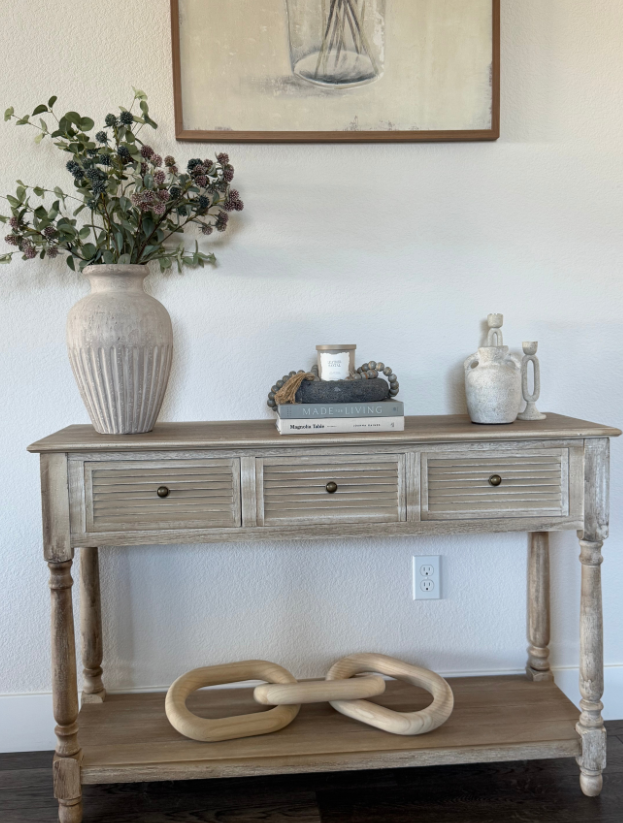
A big lamp on a console, a large bowl on a coffee table, or an oversized art piece above a sofa can actually make the space feel calmer because your eye isn’t darting around trying to make sense of dozens of small objects.
Matching Scale to Your Home’s Architecture
Your home is already telling you what scale it needs.
- Tall ceilings call for tall lamps, large art, and substantial furniture.
- Wide mantels need wide objects or layered pieces with height.
- Deep shelves need decor with depth — not flat, tiny items that disappear.
- Open-concept spaces need pieces with presence so they don’t feel swallowed.
When you match the scale of your décor to the scale of your home, everything feels cohesive and elevated.
The Intentionality Factor
Intentional design isn’t about having the most things — it’s about having the right things. Choosing pieces with appropriate scale instantly makes your styling look more professional, more modern, and more refined.
It’s the difference between a shelf that looks “decorated” and a shelf that looks designed.