The Most Common Decorating Mistakes
The Most Common Decorating Mistakes (and How to Fix Them Like a Designer)
Every home has potential but even the most beautiful spaces can fall flat when a few common decorating mistakes sneak in. The good news? These mistakes are incredibly easy to fix once you know what to look for. As a designer, I see the same patterns over and over again, and with a few simple adjustments, a room can go from “almost there” to effortlessly polished.
Here are the most common decorating mistakes I see and how to fix them like a designer.
Mistake #1: Rugs That Are Too Small
A rug is the anchor of a room. When it’s too small, the entire space feels disconnected.
The fix:
Choose a rug that allows at least the front legs of your furniture to sit on it. In a living room, aim for 8x10 or larger. In a bedroom, the rug should extend beyond the sides of the bed. The right rug instantly grounds the space and makes it feel intentional.
Mistake #2: Art Hung Too High
This is one of the most common issues, and one of the easiest to fix. Art hung too high makes a room feel off‑balance and disconnected from the furniture below it.
The fix:
Hang art so the center is around 57–60 inches from the floor. If it’s above furniture, keep it 6–8 inches above the piece. This creates a cohesive visual line and brings the room together.
Mistake #3: Poor Lighting (or Only One Light Source)
Lighting is the mood‑setter of your home. Relying on a single overhead light creates harsh shadows and a flat atmosphere. A well‑lit room feels warm, dimensional, and inviting.
The fix:
Layer your lighting:
- Ambient (overhead)
- Task (lamps, sconces)
- Accent (picture lights, candles)
Mistake #4: Pushing All Furniture Against the Walls
It’s a natural instinct, but it often makes a room feel cold and empty.
The fix:
Float furniture when possible. Even pulling a sofa six inches off the wall can make the room feel more balanced. Create conversation zones and pathways that feel intentional.
Mistake #5: Too Many Small Decor Pieces
Tiny decor items can quickly turn into clutter, especially when they lack scale or purpose.
The fix:
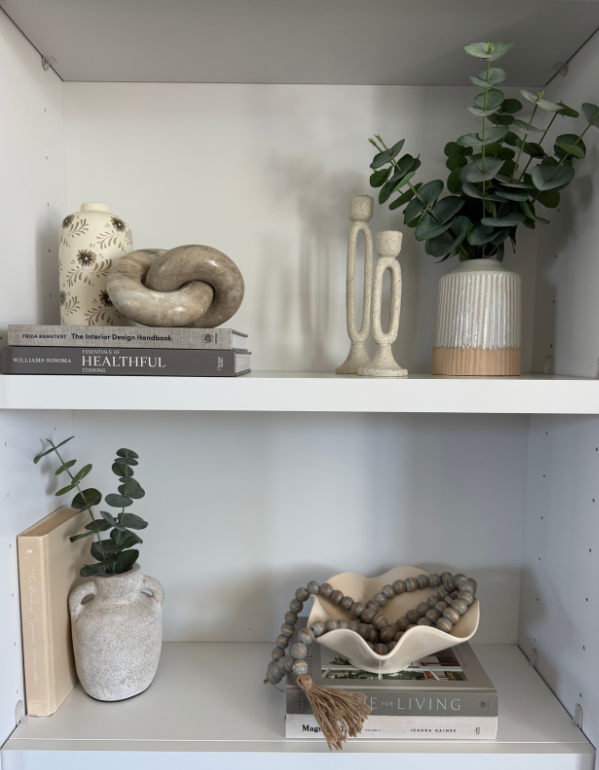
Think in terms of balance and proportion. Choose fewer, larger pieces that make a statement. Use trays to group smaller items and create structure. Negative space is your friend.
Mistake #6: No Clear Color Palette
A room without a cohesive palette can feel chaotic, even if every piece is beautiful on its own.
The fix:
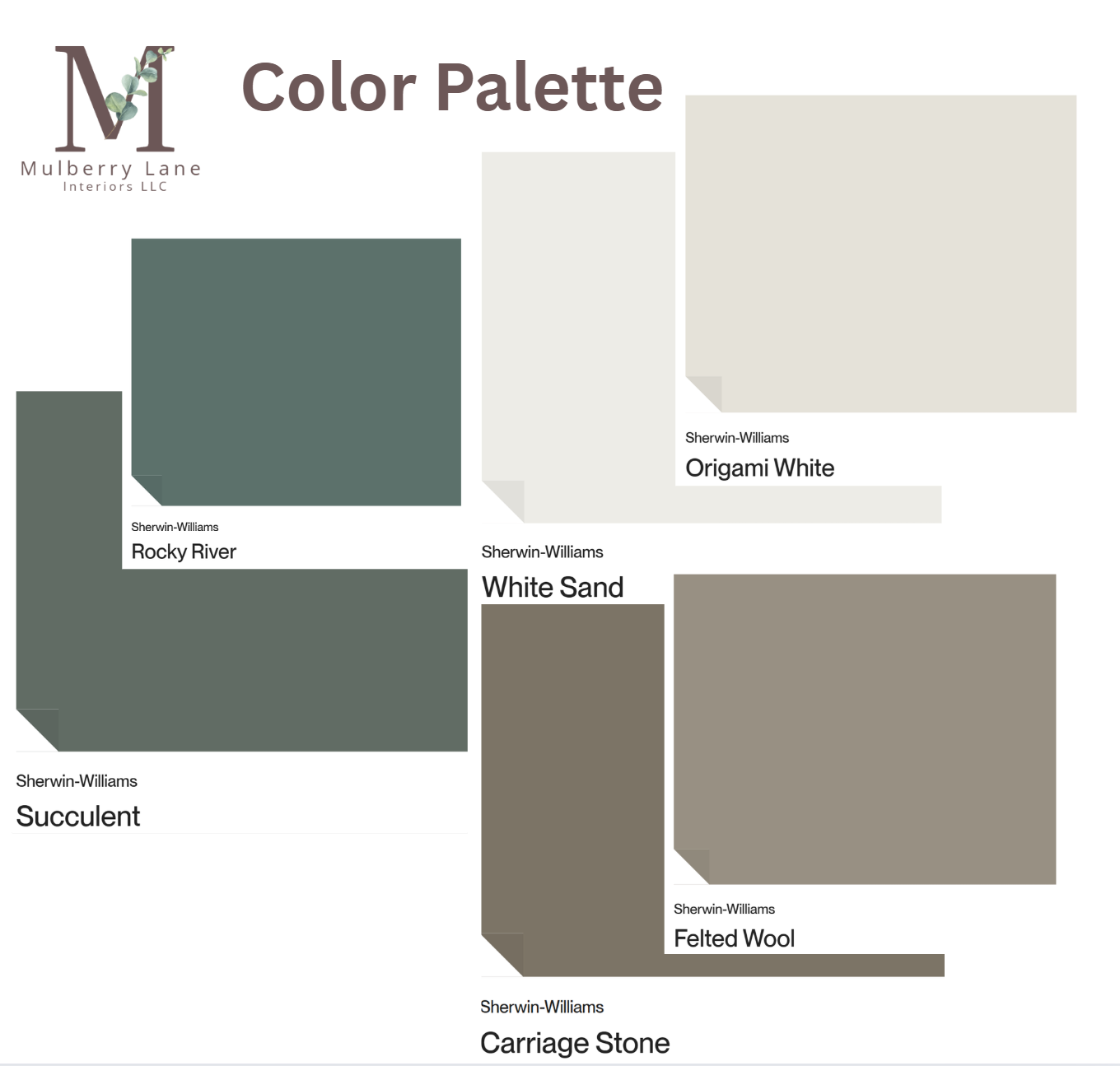
Choose a simple color story, 3 main tones, and repeat them throughout the room. This creates harmony and makes the space feel pulled together. And if you want tips for creating the color palette, reference our previous blog here:
Why Choosing Your Paint Color Palette First Creates a Cohesive, Intentional Space
Mistake #7: Ignoring Texture
Texture is what makes a room feel layered, cozy, and lived‑in. Without it, even a beautifully styled space can feel flat.
The fix:
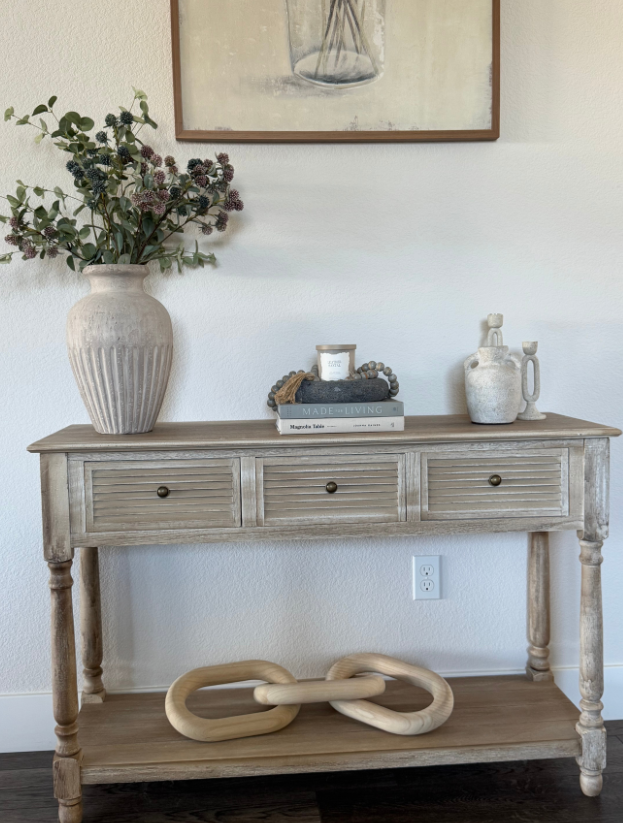
Mix materials: wood, metal, stone, fabric, greenery. Layer soft and structured textures. Add depth through pillows, throws, rugs, and natural elements.
Mistake #8: Buying Everything From One Store
It’s easy, but it often results in a space that feels overly matched and lacking personality.
The fix:
Mix sources, styles, and materials. Blend high and low. Add vintage or handcrafted pieces. This creates a curated, collected feel.
Your Home Deserves to Feel Intentional
Design isn’t about perfection. It’s about creating a home that feels aligned with your lifestyle, your routines, and your sense of calm. Fixing these common mistakes is the first step toward a space that feels cohesive, elevated, and uniquely yours.
And if you want help creating a room that feels beautifully balanced from the start, I’d love to design it with you.